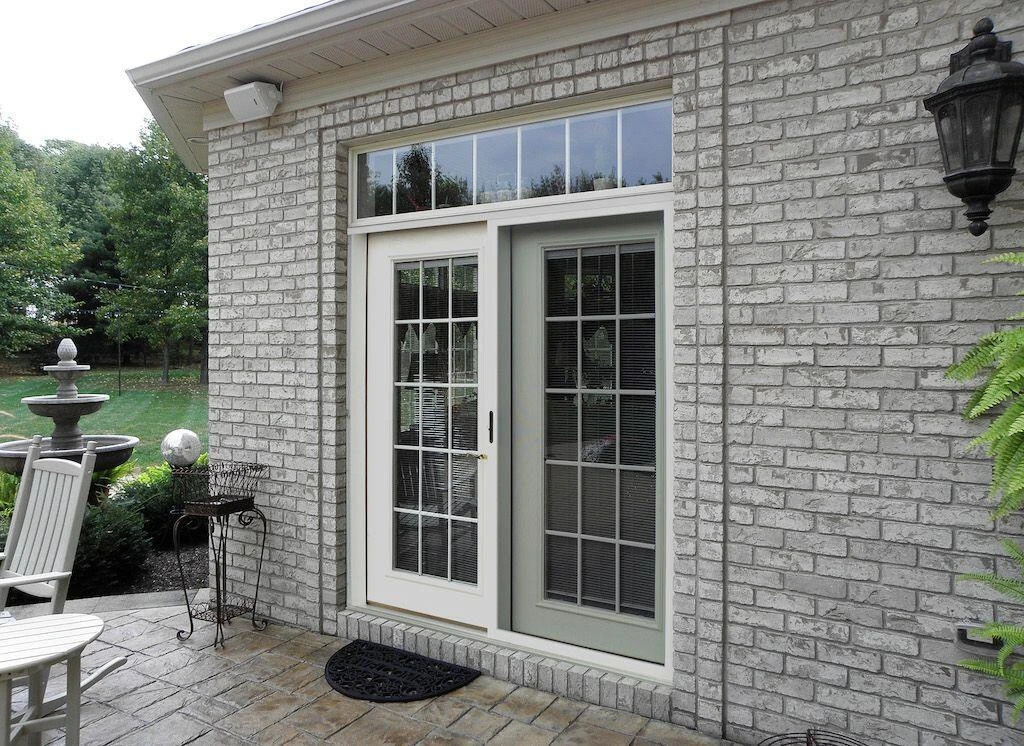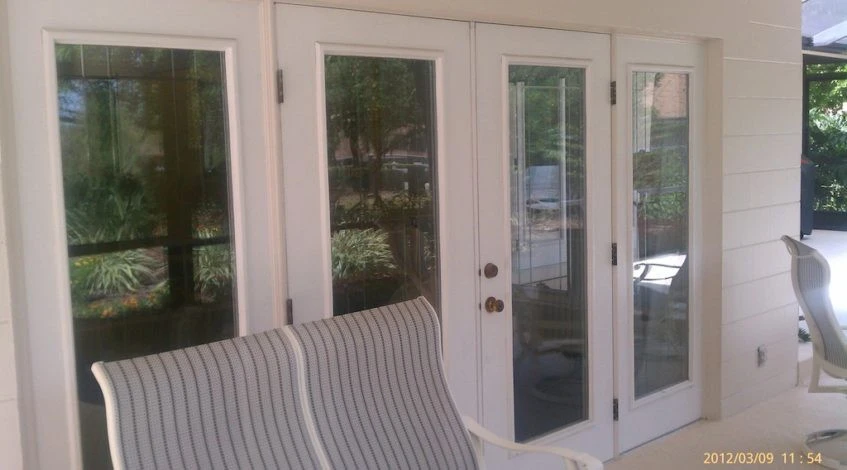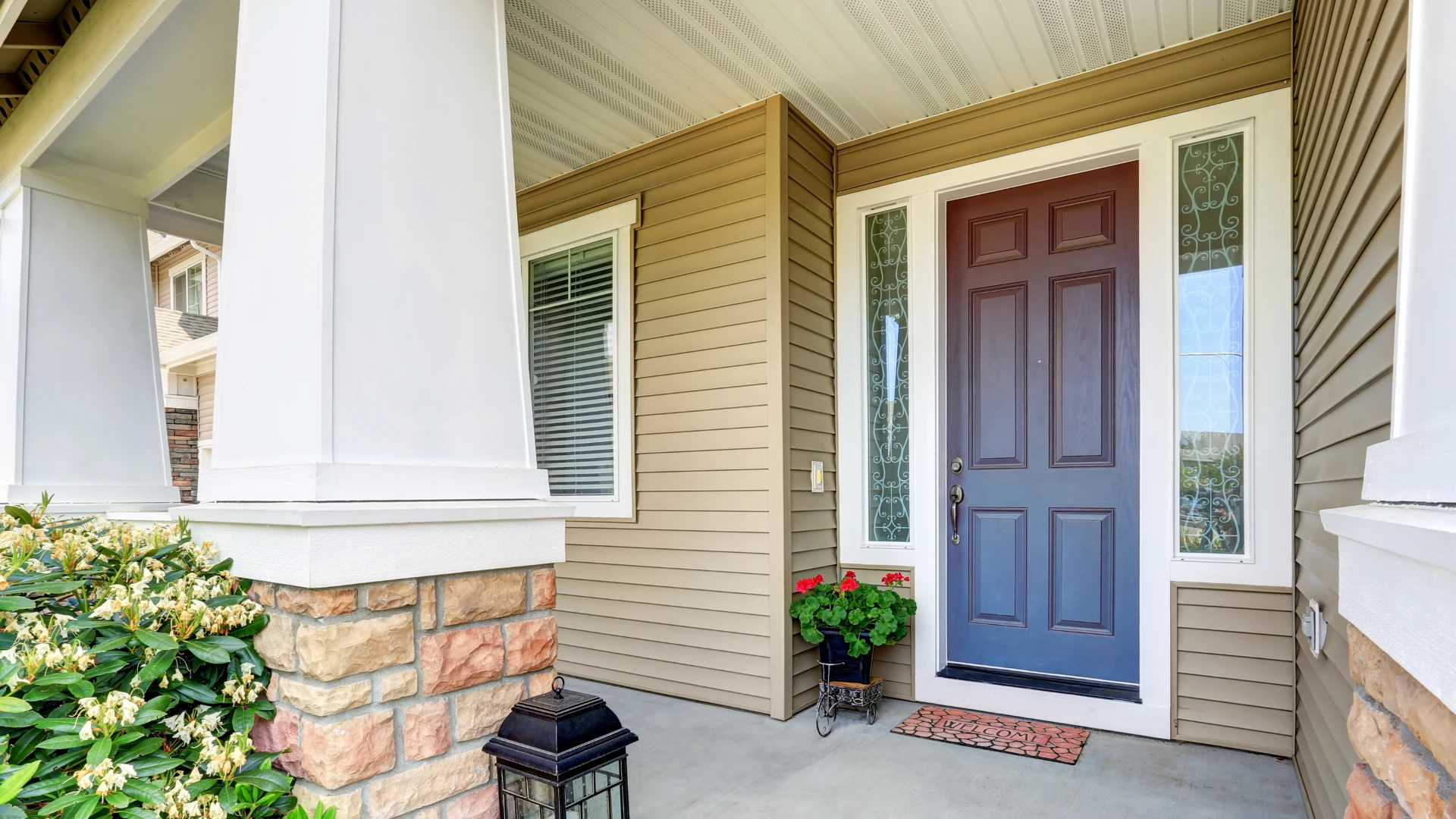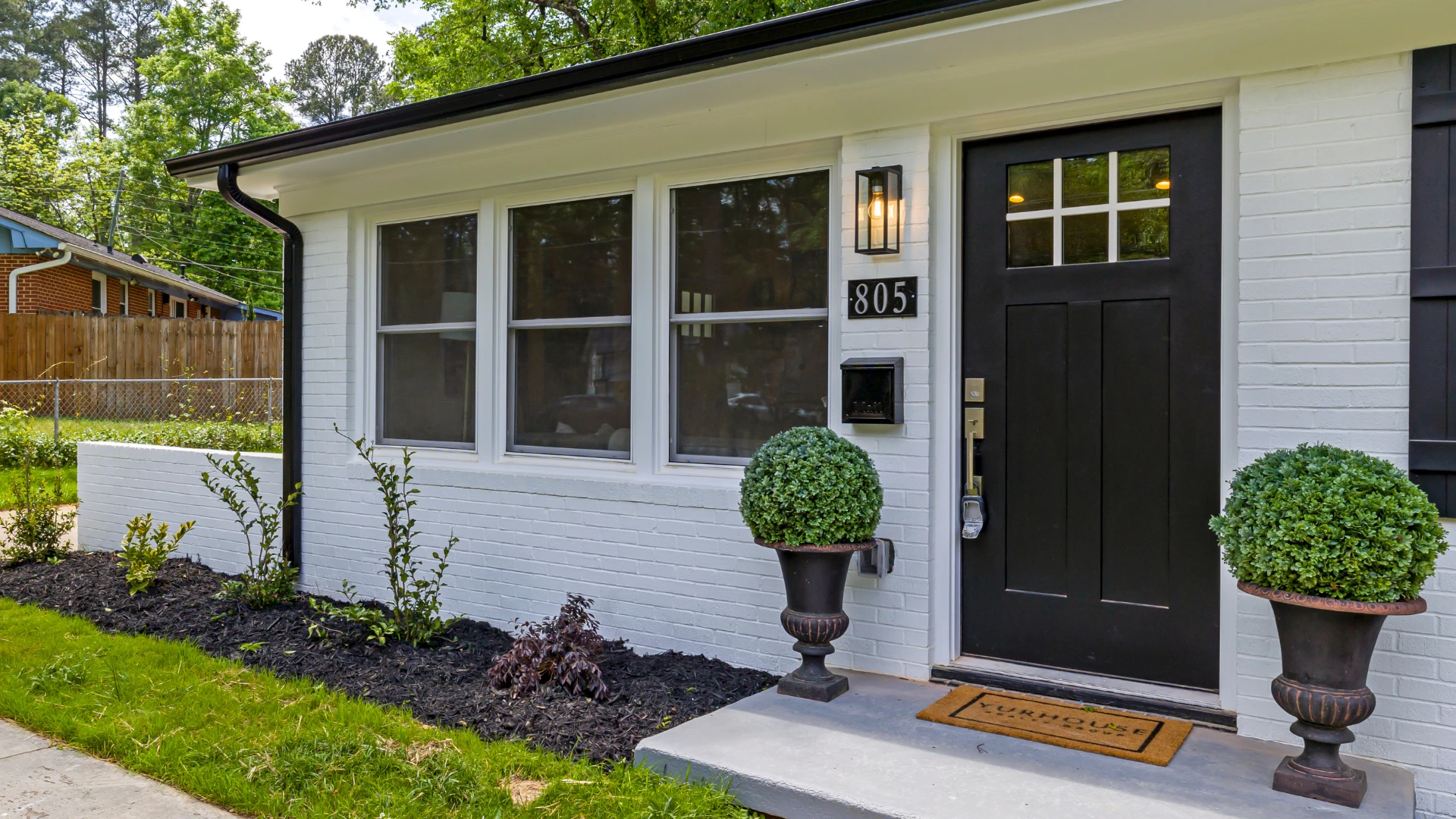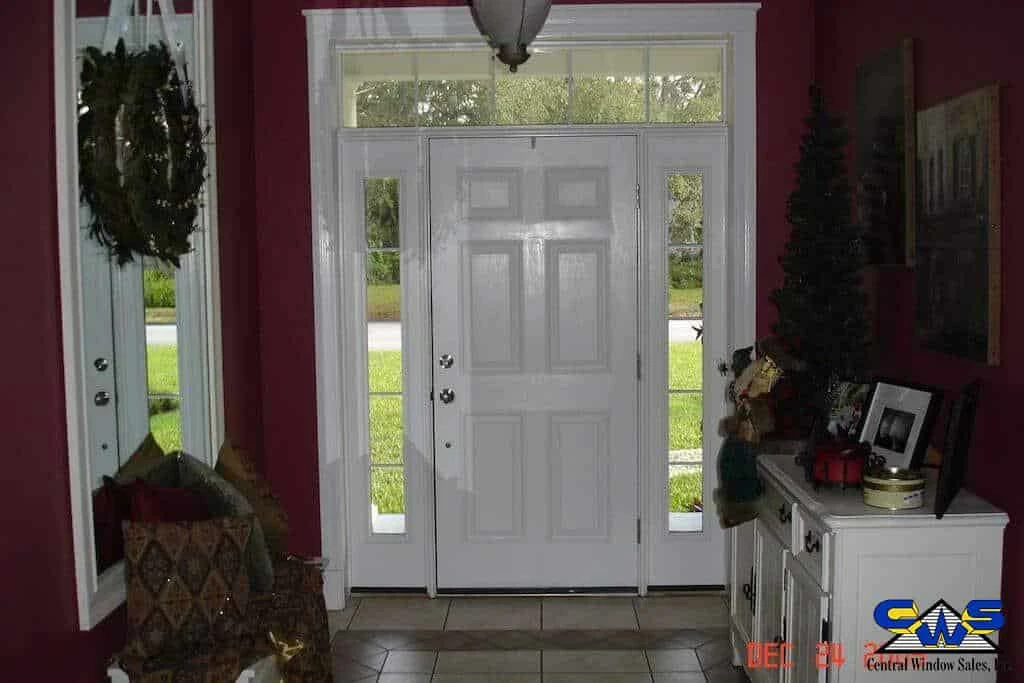
For most homes in Central Florida, fiberglass is the better entry door material. It resists humidity, sun and termites, needs very little upkeep and is the most common choice for impact rated doors. Wood still looks beautiful and makes sense on a deep, covered porch if you are willing to refinish it regularly. Here in Polk County, our team at Central Window Sales has replaced doors since 1963, and this guide shows how the two materials really compare.
If you are still narrowing down styles and features, start with our guide on how to choose the right entry door for your Florida home.
How does Florida's climate affect an entry door?
Florida weather is hard on doors, so the material matters more here than in most states. A front door in Winter Haven or Lakeland faces all of this every year:
-
High humidity and frequent summer rain
-
Strong sun and UV exposure on west and south facing entries
-
Heat that bakes the door surface for hours
-
Termites and other wood boring insects
-
Hurricane season winds and flying debris
Polk County sits inland, so salt air is less of a worry than on the coast. Our summer humidity and daily afternoon storms are just as tough on a door, though.
Any door you choose has to hold its shape, seal tightly and keep looking good through all of it. A door that swells or warps stops latching smoothly, lets in hot air and can let water reach the floor and framing.
What are the pros and cons of wood entry doors?
Wood offers unmatched warmth and character, but it asks for more care in our climate. It is a great fit for some homes and a frustrating one for others.
Where wood shines
-
Rich natural grain that no other material fully copies
-
Almost unlimited styles, stains and custom carving
-
A solid, heavy feel when you open and close it
-
Works well on deep, shaded porches that keep rain and sun off the door
Where wood struggles in Florida
-
Absorbs moisture, which can lead to swelling, warping, cracking and sticking
-
Needs regular sealing, refinishing and touch up staining
-
UV rays can fade, dry out and discolor the finish
-
Usually costs more upfront and more to maintain over time
-
Is not impact rated on its own unless the door is built and tested as an impact system
If you choose wood, plan to inspect the finish every year, especially the bottom rail and edges where water collects. Catching worn finish early is far cheaper than dealing with a swollen or rotted door later.
What are the pros and cons of fiberglass entry doors?
Fiberglass is built for exactly the conditions we have in Central Florida. It will not rot or swell, and today's wood grain finishes look far more convincing than older models.
Why fiberglass works well here
-
Does not warp, swell, rot or crack from humidity
-
Keeps its finish for years with occasional cleaning
-
Insulated foam cores help keep cooling costs in check
-
Most impact rated entry doors on the market are fiberglass
-
Available in smooth paintable skins or realistic wood grain textures
What to watch for with fiberglass
-
Costs more than a basic steel door
-
Even premium wood grain skins may not match real wood exactly up close
-
Performance depends on a correct, professional installation
What about steel? Steel doors are strong and budget friendly, but they can dent and may rust once the finish is scratched. For most of our customers, fiberglass hits the better balance of looks, durability and price.
We install fiberglass doors from Therma-Tru, PlastPro and ProVia, so you can compare several looks and price points in one visit.
How do wood and fiberglass doors compare side by side?
On nearly every practical measure, fiberglass comes out ahead for Florida homes. Wood wins on authentic beauty and custom options.
-
Durability: wood is fair in our climate, fiberglass is excellent
-
Maintenance: wood is high, fiberglass is very low
-
Moisture and warping: wood is vulnerable, fiberglass resists both
-
Energy efficiency: wood is moderate, insulated fiberglass is strong
-
Upfront cost: wood is usually higher, fiberglass ranges from mid to high
-
Long term cost: wood is higher because of upkeep, fiberglass is lower
-
Customization: wood is excellent, fiberglass is very good
-
Best for: wood suits covered entries and historic homes, fiberglass suits most Florida homes
In plain terms, wood asks you to trade time and money for beauty. Fiberglass gives you most of that beauty while letting you mostly forget about the door.
When you compare efficiency, look for doors that meet the ENERGY STAR criteria for residential doors, which are based on how much glass the door has.
Which entry door material is best for a Polk County home?
Fiberglass is the best overall choice for the average home in Polk County. Wood is the right call only when the look matters most and the entry is well protected.
Choose fiberglass if you want:
-
Low maintenance
-
Strong resistance to humidity and sun
-
The option of an impact rated door
-
Better insulation and lower long term cost
Choose wood if:
-
Your entry is covered or shaded most of the day
-
Your home's architecture calls for real wood
-
You do not mind refinishing the door on a regular schedule
During a free estimate, our team looks at a few things before recommending a material:
-
Which direction the door faces and how much direct sun it gets
-
How deep your porch or overhang is
-
The style of your home and any HOA rules
-
Whether you want glass for natural light
-
Your storm protection goals
-
Your budget for the door and future upkeep
Budget is part of the decision too. Our guide to the cost of new entry doors in Florida breaks down what drives the price.
Do wood or fiberglass doors handle hurricanes better?
Neither material is storm ready on its own. What matters is whether the complete door, frame and hardware were tested and approved as an impact system, and most of those systems are fiberglass.
Impact rated doors typically include:
-
Reinforced frames and anchoring
-
Multi point locking hardware
-
Laminated impact glass in any glass inserts
-
Ratings for high wind pressure
Installation matters as much as the door itself. An impact door only performs as tested when it is anchored and sealed the way the manufacturer's approval requires, which is why we handle the permit and inspection on every job.
Learn more in our article on why impact resistant doors are a game changer for Florida homeowners, or browse our entry door options.
Frequently Asked Questions
Is fiberglass or wood better for a Florida front door?
For most Florida homes, fiberglass. It handles humidity, heat and sun with far less upkeep than wood.
Can a fiberglass door look like real wood?
Yes. Many fiberglass doors have deep wood grain textures that can be stained, and from the street most people cannot tell the difference.
How often does a wood door need refinishing in Florida?
It depends on sun exposure. A door in direct sun needs attention far more often than one under a deep porch, so check the finish every year.
Can you install both wood and fiberglass doors?
Yes. We install both, and we will show you samples side by side so you can see and feel the difference before you decide. See our full line of exterior doors.
Do you handle permits for door replacement?
Yes. Our team pulls the permits and handles the inspections for every door replacement we install.
Whether you love the look of wood or want the easy care of fiberglass, our family owned team in Winter Haven can help you choose. We are licensed and insured (CBC1257644) and serve homeowners across Polk County. Call our team at (863) 293-2977 or request your free, no obligation estimate and we will measure, walk you through your options and give you an exact price.
Last updated: November 2026