Casement and awning windows open with a crank instead of sliding. A casement is hinged on the side and swings out like a door, while an awning is hinged at the top and tilts out from the bottom. Both press firmly against their frames when closed, which makes for a tight seal. Our family owned team at Central Window Sales has installed windows across Polk County from our Winter Haven home since 1963, and we often recommend these styles for kitchens, bathrooms and hard-to-reach openings in Central Florida homes.
What is the difference between a casement and an awning window?
The hinge. A casement hinges on the left or right side and swings outward, and an awning hinges along the top and swings out from the bottom.
-
Casement: usually taller than it is wide, opens fully for maximum airflow and a clear view.
-
Awning: usually wider than it is tall, often placed high on a wall or stacked above or below a fixed window.
-
Both: operate with a crank handle, lock securely when closed, and have no meeting rail across the glass.
Many homes use both. A large fixed window flanked by two casements, or a picture window with an awning beneath it, gives you open views and fresh air in one opening.
Why do casement windows catch breezes so well?
Because the open sash sticks out from the wall, it acts like a scoop that turns a passing breeze into the room. A sliding or hung window can only open part of its glass area, but a casement can open the whole sash.
This is useful in Central Florida on spring and fall days when there is a light wind but you would rather not run the air conditioning. Placing casements on the side of the house that faces the usual breeze, with the sash hinged on the far side, helps pull more air inside. Our team will look at how your home sits on the lot when we suggest window placement.
Can I leave an awning window open when it rains?
Often, yes. Because the sash tilts out from the bottom and the glass forms a small roof over the opening, an awning can stay cracked open during a light rain without letting much water in.
That makes awnings a good choice for bathrooms, laundry rooms and kitchens where you want steady ventilation to clear out humidity. In a hard, wind-driven Florida storm, close and lock every window, including awnings.
Where do casement and awning windows work best in a home?
Anywhere a window is hard to reach. Turning a crank is much easier than lifting or sliding a sash when you have to lean across something.
Over sinks and counters
A window over the kitchen sink or a bathroom vanity is a classic spot for a casement or awning. You can reach the crank with one hand without climbing onto the counter to push up a sash.
Screens and outside clearance
Because the sash swings outward, the insect screen sits on the inside of the window. Before choosing these styles, think about what is outside:
-
Will an open sash stick out into a walkway, patio or pool deck where someone could walk into it?
-
Are there shrubs, trees or other landscaping close enough to block the sash from opening?
-
Is there a screen enclosure, fence or wall within the swing of the sash?
-
Will a nearby air conditioning unit or downspout get in the way?
If clearance is tight, a sliding window or a double-hung window may be a better fit for that opening.
Are casement and awning windows available in impact glass, and what do they cost?
Yes. All window styles we install, including casement and awning windows, are available with impact-rated glass. The exact price comes from a free estimate.
Our typical installed ranges are about $450 to $900 per window for standard non-impact vinyl, and about $1,500 to $2,500 or more for large, custom or architectural windows. Whole-home projects of 10 to 20 windows usually run about $8,000 to $25,000 or more, and financing is available. Impact windows may qualify for wind mitigation credits on your homeowners policy, though savings vary by insurer. Learn more in our guide to impact vs non-impact windows in Florida, or see how glass choices affect cooling costs in Energy Star windows in Florida.
Who installs casement and awning windows in Polk County?
We do. Central Window Sales handles your casement and awning window project from the first measurement to the permit and final inspection.
We are family owned and faith based, licensed and insured (CBC1257644) and Google Guaranteed. Visit our showroom at 2001 Havendale Blvd. NW in Winter Haven, where you can talk through your options with us in person. We install windows from PGT, ProVia, Norandex, Simonton and Andersen, and window replacements come with our Lifetime Glass Break Warranty. Explore our window replacement service, see every style on our replacement windows page, read our tips on selecting the best windows for your Florida home, or check the areas we serve in Polk County.
Want to see if casement or awning windows suit your home? Call (863) 293-2977 , request a free casement and awning window estimate, or schedule your estimate online. Your estimate is free, with no obligation, and can be done with minimal to no in-person contact.
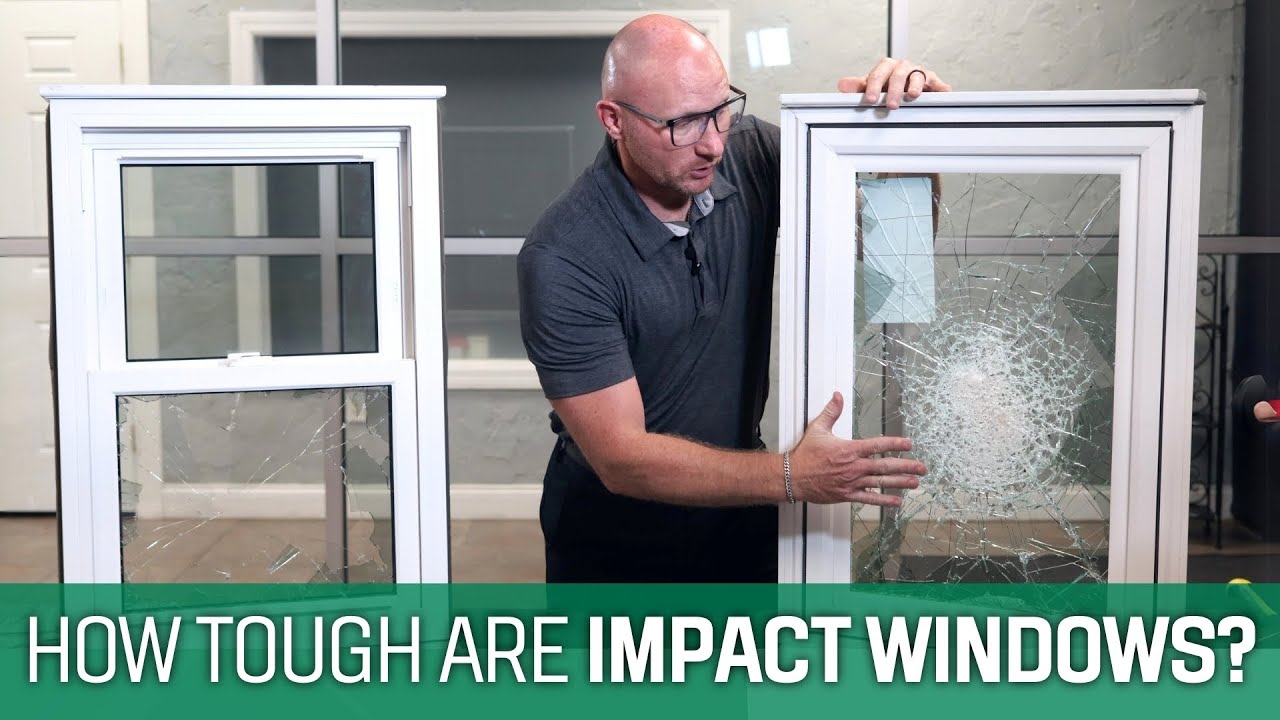
Watch: Impact-Rated vs. Regular Glass
No. Casement and awning windows open with a small crank handle, which most people find easier than lifting or sliding a sash, especially when reaching over a sink or counter.
When a casement is fully open, there is room to reach the outside glass from inside on many units. Ask us during your estimate how the specific window you choose opens for cleaning.
Yes. Pairing casements on one or both sides of a fixed picture window is a popular way to get a wide view and fresh air in the same opening.
Our team pulls the permit and handles the inspection for your window replacement, so you do not have to.
Request a free, no-obligation estimate online or call (863) 293-2977 . We can schedule it online and complete it with minimal to no in-person contact.
